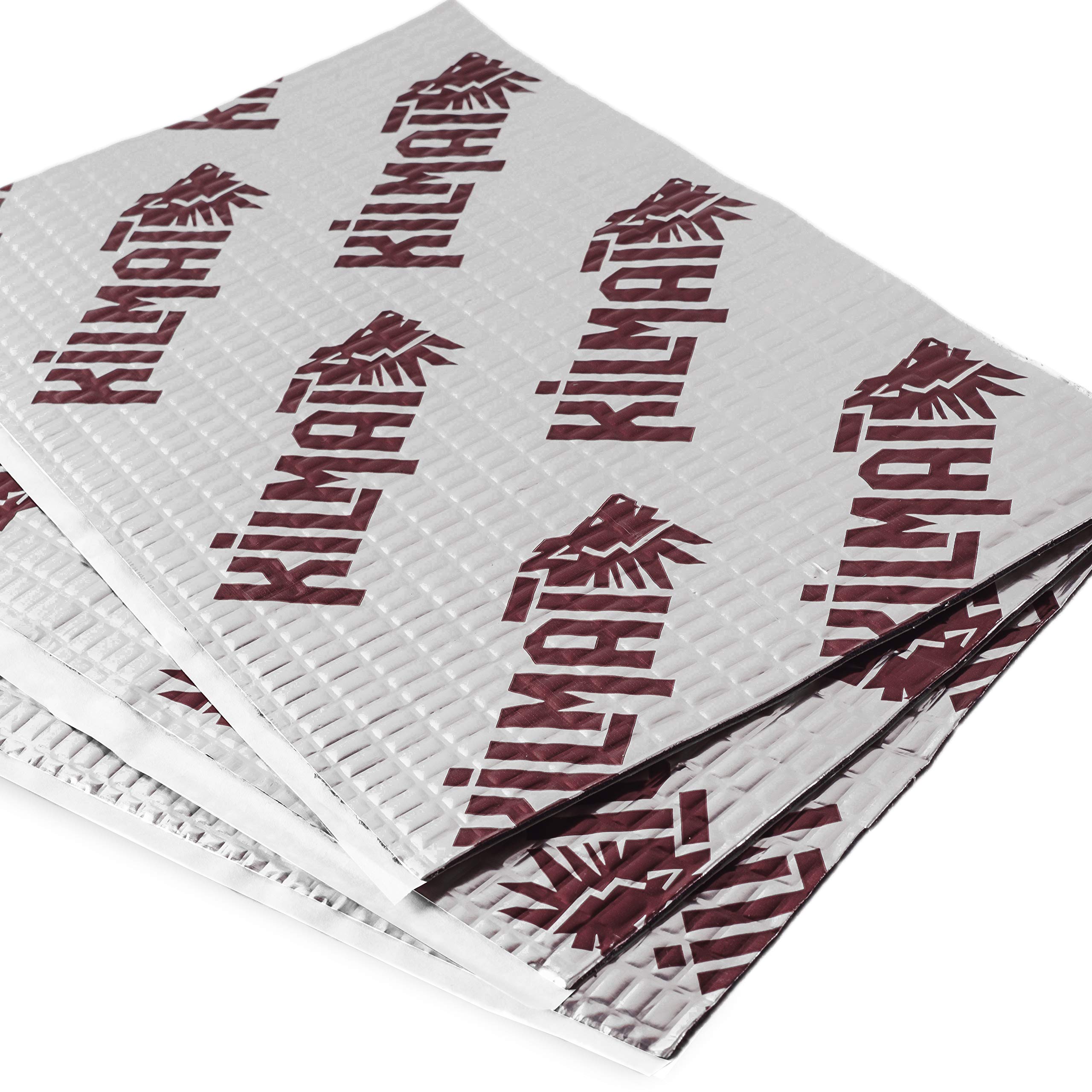
When you’re looking to quiet down a noisy car, sound deadening mats are a common go-to. The KILMAT 80 Mil (2 mm) 36 Sqft kit is positioned as an affordable solution for reducing vibrations and road noise in vehicles. After spending some time installing and testing this material in a 2015 sedan, here are the key takeaways.
The mat itself is a butyl-based material with an aluminum facing, similar to many other products in this category. It comes in a 36-square-foot roll, which is enough to cover the inner door skins, a trunk floor, or part of the rear seat area in a typical sedan. Installation is straightforward: you cut the mat to size with a utility knife, peel off the backing, and press it onto clean, dry metal panels. A roller helps ensure good adhesion, especially on curved surfaces.
In terms of performance, the KILMAT does a decent job at damping panel vibrations. After applying it to the doors, the sound of closing them becomes noticeably more solid—less hollow and tinny. Road noise from tire roar and wind buffeting is reduced, but don’t expect a dramatic transformation. The material is 2 mm thick, which is on the thinner side for sound deadeners. Thicker mats (like 4 mm or 6 mm) from other brands can absorb more low-frequency noise, but they also add more weight and cost. For the price, the KILMAT offers a reasonable improvement, particularly for reducing mid-range and high-frequency rattles.
One trade-off is that the adhesive, while strong initially, can struggle in very hot climates. If your car sits in direct sunlight for extended periods, the mat may soften and sag slightly over time. This is a known issue with many butyl-based deadeners, but it’s worth noting if you live in a region with extreme heat. Additionally, the aluminum facing is thin and can tear if you’re not careful during installation. Using a heat gun or hair dryer to warm the material helps with flexibility and adhesion.
Compared to spray-on sound deadeners or foam-based alternatives, the KILMAT offers better vibration damping but less thermal insulation. Spray deadeners are easier to apply in tight spaces but don’t provide the same layer of mass loading. Foam mats, on the other hand, are better at absorbing airborne noise but do little for panel resonance. For most DIY car audio enthusiasts, a combination of butyl mats and foam is the ideal approach.
Who should consider this product? It’s a good fit for someone on a budget who wants to reduce road noise without spending hundreds of dollars. It’s also suitable for covering large areas like trunk floors or under carpet. However, if you’re aiming for a luxury-car quiet interior or installing a high-end audio system, you may want to invest in a thicker, more heat-resistant deadener. The KILMAT is a solid entry-level option, but it’s not a one-size-fits-all solution.
- Strengths: Affordable, easy to cut and install, effectively reduces panel vibrations and rattles.
- Weaknesses: Adhesive can soften in high heat; thin aluminum layer is prone to tearing; limited noise reduction compared to thicker mats.
- Best for: Budget-conscious DIYers, moderate noise reduction, and car audio upgrades on a tight budget.
- Not ideal for: Extreme climates, high-end audio installations, or those seeking near-silent cabins.
Overall, the KILMAT 80 Mil sound deadening mat delivers on its promise for the price. It’s a practical choice if you’re willing to accept its limitations. Just manage your expectations: it will make your car quieter, but it won’t transform it into a soundproof booth.