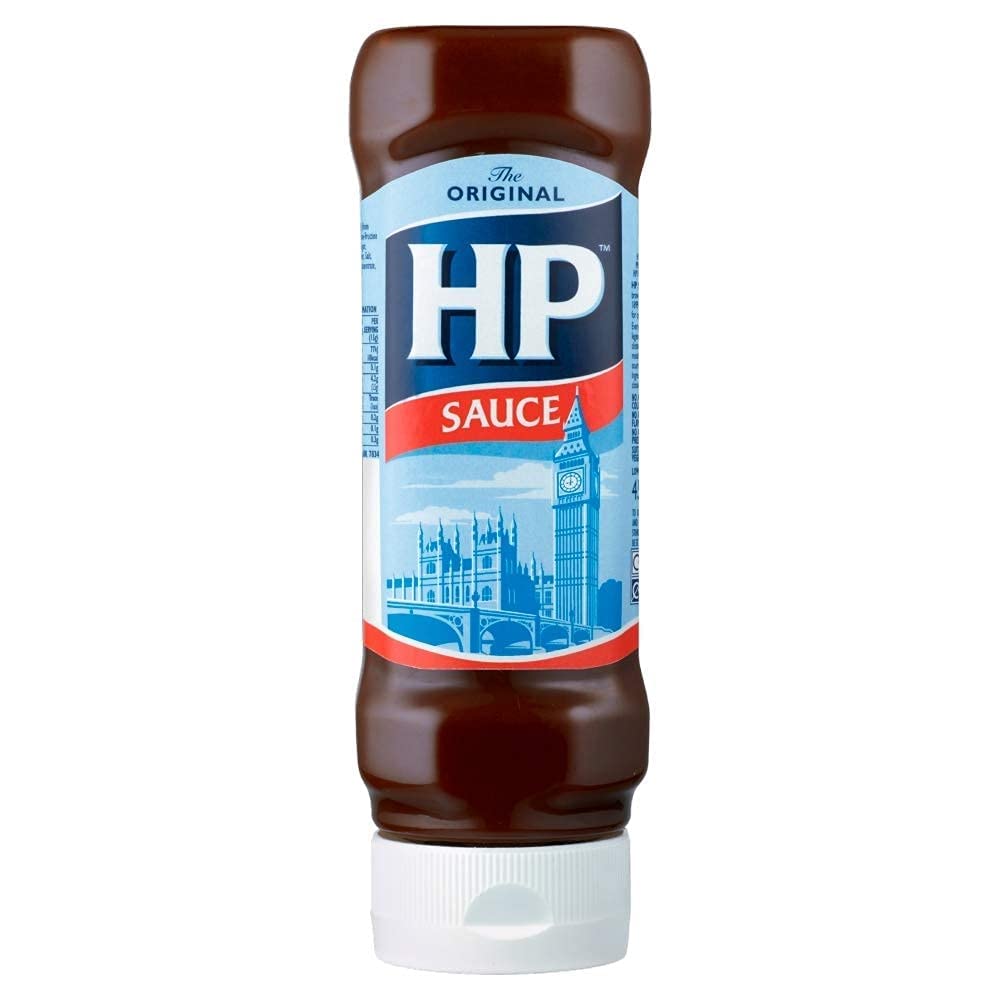
Buying HP Sauce in a pack of six 450g squeeze bottles is a decision that says something about how you cook. This is not a casual purchase. It is the kind of thing you do when brown sauce is a fixture in your kitchen rather than an occasional condiment, and the multipack format is really aimed at households, small cafés, or anyone who resents running out mid-week. The question worth asking is whether the squeeze bottle format and the six-pack quantity actually suit the way people use the product day to day.
The squeeze bottle is the defining feature here. HP Sauce has a thick, chunky texture, and the traditional glass bottle has long been a source of mild frustration: you shake it, you wait, you thump the base. The plastic squeeze version sidesteps most of that. The bottle is flexible enough to dispense a controlled amount, and the cap design means you can store it upside down so the sauce sits near the nozzle. In practice this makes it convenient for things like bacon sandwiches, chips, sausage rolls, or a quick addition to a stew or gravy. It is a functional improvement over glass for everyday use, though it comes with the usual trade-off that plastic bottles can be harder to fully empty and the sauce can cling to the sides.
On quantity, six bottles of 450g is a substantial commitment. Each bottle is a reasonable size for a family fridge, but six at once means you need storage space and a realistic sense of your consumption rate. HP Sauce has a long shelf life before opening, so stockpiling is not unreasonable, but once opened the bottles should be refrigerated and used within a sensible window. Buyers should think about whether they will get through six bottles before the quality of the later ones becomes a concern. For a single person who uses brown sauce occasionally, this pack is likely overkill and the sauce may sit in the cupboard for a long time.
In terms of what is actually in the bottle, HP Sauce remains a distinctive product: a tangy, fruity, slightly spicy brown sauce with a vinegar base and a thick consistency. The recipe has been through changes over the years, and long-time buyers sometimes note that the modern version is a little sweeter and less sharp than older iterations. That is a matter of taste rather than a defect, but it is worth flagging for anyone expecting the flavour they remember from decades ago. The squeeze format does not alter the sauce itself, only the delivery.
Compared with alternative condiment formats, the squeeze bottle sits somewhere between the classic glass bottle and single-serve sachets. Sachets are convenient for packed lunches or takeaway but generate waste and offer no control over portion size. Glass bottles feel more traditional and are easier to recycle in some areas, but they are less practical for quick dispensing. The plastic squeeze bottle is the middle ground: more convenient than glass, less wasteful than sachets, but dependent on plastic packaging that not every buyer will be happy with. Those trying to reduce plastic use may prefer to decant sauce into a refillable bottle, though that adds its own hassle.
Performance expectations should be realistic. The sauce dispenses well when the bottle is full, but towards the end you may need to squeeze harder and the last portion can be awkward to extract. The cap can get messy if the bottle is stored nozzle-down without care, and the sauce has a habit of collecting around the rim. These are minor annoyances rather than deal-breakers, but they are part of living with the format. The bottles are also not designed for long-term reuse, so the pack effectively commits you to six plastic bottles over its lifetime.
Who is this for? It suits households that go through brown sauce regularly, small food businesses that use it as a table condiment, and anyone who finds glass bottles irritating. It is also a sensible option for people who cook with HP Sauce as an ingredient, since the squeeze format makes it easy to add a dash to gravies, marinades, or cheese on toast. Who is it not for? Occasional users, people with limited cupboard space, and anyone actively trying to cut down on single-use plastic. Those who are particular about the flavour of older HP recipes may also want to try a single bottle before committing to six.
Overall, the six-pack of 450g squeeze bottles is a practical bulk purchase for committed users. It solves a genuine annoyance with the glass bottle and offers a sensible quantity for regular consumption, provided you have the space and the appetite for it. The limitations are modest but real: plastic packaging, a slightly fiddly end-of-bottle experience, and the risk of overbuying for lighter users. It is a product that rewards knowing your own habits before you buy.