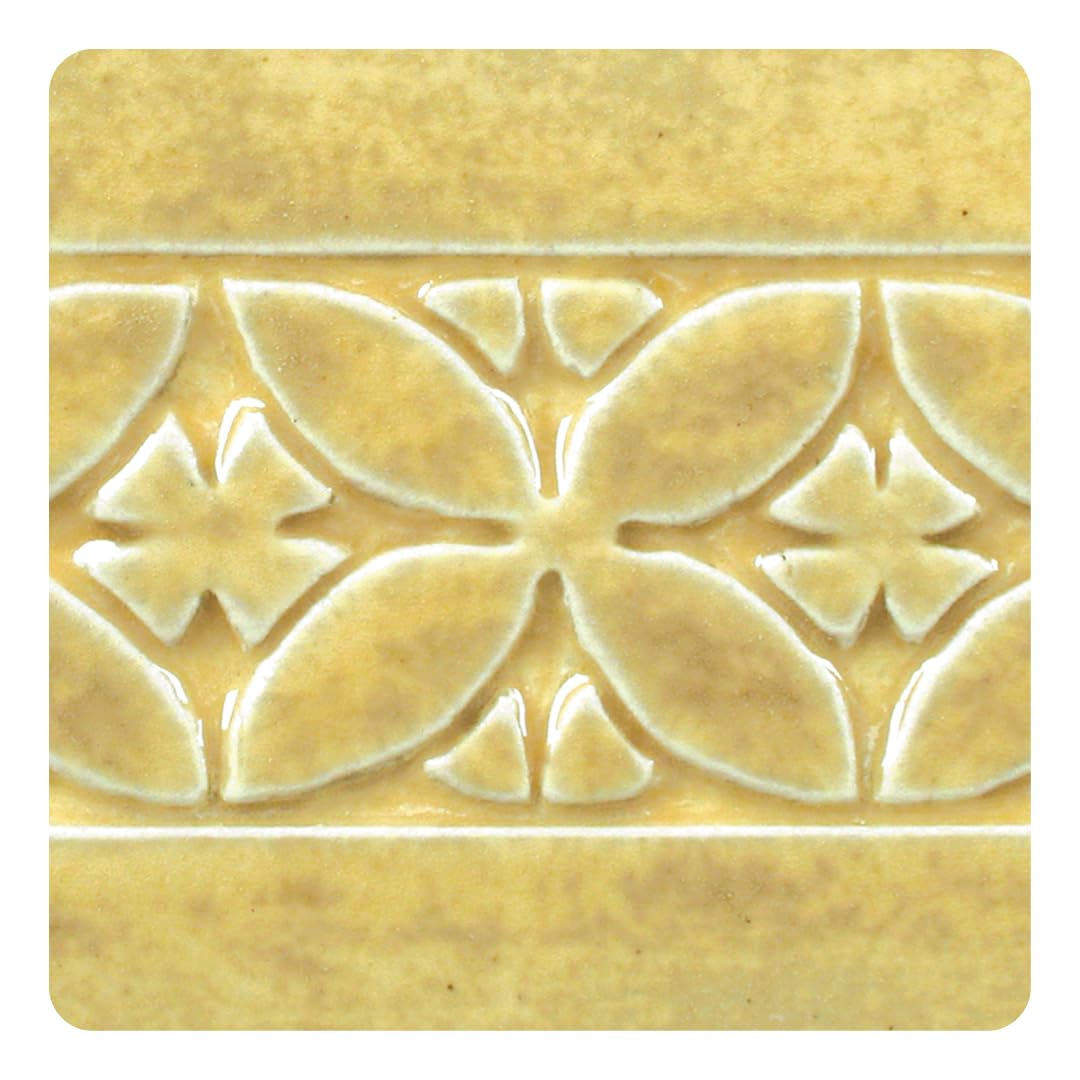
AMACO Potter’s Choice glazes are a staple in many studios, and PC-31 Oatmeal is one of the line’s more subdued offerings. This 16 oz. jar provides enough glaze for small to medium projects, and it’s formulated for cone 5–6 oxidation. Oatmeal is a warm, tan glaze with a subtle, speckled texture that breaks over edges, making it a popular choice for functional pottery like mugs, bowls, and serving dishes. In this review, we’ll look at how it performs in real-world use, its key features, limitations, and who might benefit from it.
In practice, Oatmeal is typically applied by brushing or pouring, though its consistency may require some adjustment. The glaze is relatively thick out of the jar, so thinning with water is often necessary for smooth application. It can be layered over other Potter’s Choice glazes to create different effects, but on its own, it yields a soft, matte-to-satin finish that feels pleasant to the touch. Firing to cone 6 is recommended for best results, and the glaze is food-safe when fired properly. However, like many glazes, it can craze if applied too thickly or if the clay body and glaze fit aren’t compatible, so testing on a small tile is advisable.
One of the standout features of Oatmeal is its ability to accentuate surface texture. On carved or faceted pieces, the glaze pools in recesses and breaks lighter on high points, creating a dimensional look that many potters appreciate. It’s also relatively forgiving in application; minor thickness variations can add to the organic feel rather than detracting from it. That said, it’s not a glaze for those seeking a high-gloss, vibrant finish. Oatmeal is muted and earthy, and its color can vary depending on the clay body and firing conditions. On dark clay, it may appear more brownish, while on white clay, it leans toward a lighter tan.
A common trade-off with Oatmeal is its tendency to run if applied too heavily. Potters often need to leave extra room at the foot of a piece to accommodate potential drips, and using a catch plate in the kiln is wise. Additionally, the 16 oz. size is convenient for small batches but may not be economical for larger production runs. Compared to a commercial glaze like Mayco’s Stoneware line, which offers similar earthy tones, Oatmeal requires more testing to dial in the right thickness and firing schedule. However, its unique speckled texture and warm hue are hard to replicate with simpler glaze recipes.
Who is this for? Intermediate to advanced potters who enjoy experimenting with glaze layering and appreciate a natural, organic aesthetic will find Oatmeal a useful addition to their palette. It’s also a good choice for those who want a break from glossy surfaces and are looking for a food-safe, earthy finish. Beginners might find it a bit finicky due to its running tendency, but with careful application, it can yield pleasing results. Those who prefer predictable, uniform glazes may want to look elsewhere, as Oatmeal’s charm lies in its subtle variations.
In terms of value, the 16 oz. jar is reasonably priced for a specialty glaze, especially considering that a little goes a long way when thinned. However, if you’re glazing large pieces or many items, you’ll likely need multiple jars, which can add up. It’s also worth noting that Oatmeal is not a substitute for a base glaze; it’s meant to be used as a finish on its own or in combination with others. For potters who already have a clear or white base, layering Oatmeal over it can create interesting effects, but this requires testing.
Overall, AMACO PC-31 Oatmeal is a solid choice for potters seeking a warm, textured glaze that highlights form and surface. It’s not without its challenges—running, color variation, and the need for testing—but these are common to many mid-range glazes. If you’re looking for a reliable, food-safe glaze that adds a touch of rustic charm to your work, Oatmeal is worth considering. Just be prepared to experiment to get the most out of it.