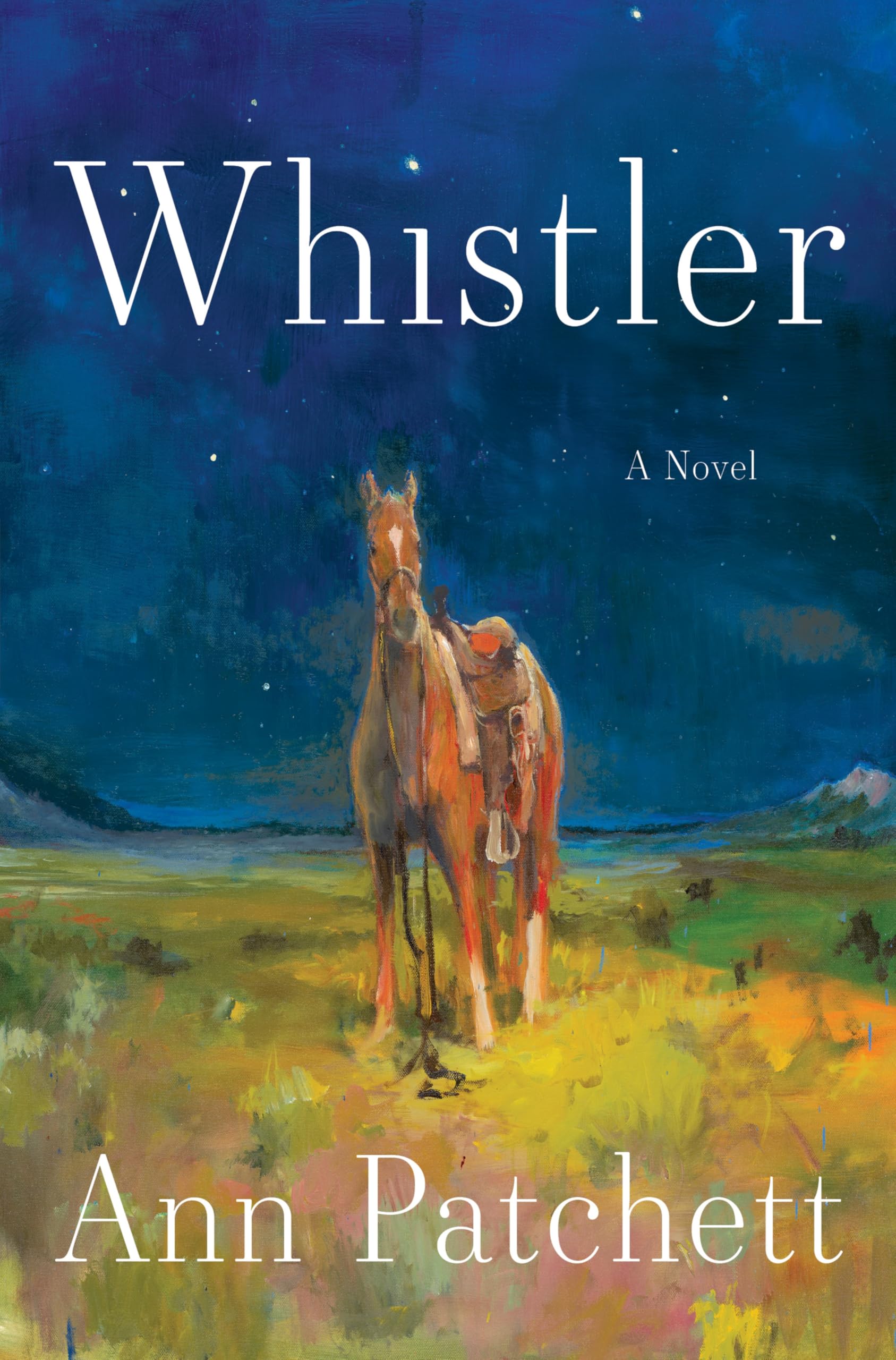
Whistler: A Novel is a mystery-thriller that trades high-octane action for a slow-burn, atmospheric narrative set against the rugged backdrop of the Pacific Northwest. The story follows a retired detective who gets pulled into a missing person case in a small coastal town, where old secrets and new dangers intertwine. The novel leans heavily on its setting, using the foggy forests and rocky shores to create a sense of isolation and tension that lingers through the pages.
In real-world usage, this book is best appreciated during quiet evenings or rainy weekends when you can sink into its deliberate pacing. It’s not a page-turner in the conventional sense—there are no cliffhangers at every chapter end. Instead, it rewards patience with layered character development and a plot that unfolds like peeling an onion, revealing deeper truths slowly. I read it over a week, a few chapters at a time, and found that the story’s mood stuck with me between sessions.
Key functional features of Whistler include its strong sense of place—the author clearly knows the region and uses it as a character itself. The prose is descriptive but not overwrought, painting scenes without bogging down the narrative. The mystery is well-constructed, with clues that are fair to the reader but not obvious. The dialogue feels natural, especially between the protagonist and the locals, each of whom has their own guarded secrets. The novel also weaves in themes of grief and redemption, adding emotional weight beyond the central puzzle.
However, there are trade-offs. The slow pace can be frustrating if you’re looking for a fast-moving thriller. Some readers might find the middle sections drag, as the detective interviews witnesses and follows dead ends. The resolution, while satisfying, doesn’t offer a shocking twist—it’s more of a quiet revelation that fits the tone but may underwhelm those expecting a big surprise. Additionally, the supporting cast, while well-drawn, sometimes feels a bit too archetypal: the gruff sheriff, the reclusive artist, the mysterious newcomer.
Compared to other mysteries in the same vein, Whistler sits somewhere between Tana French’s Dublin Murder Squad series and the more procedural works of Michael Connelly. It has the psychological depth of French but lacks the relentless pacing of Connelly. If you enjoy atmospheric crime fiction like The Dry by Jane Harper or In the Woods by Tana French, you’ll likely appreciate this novel’s approach. It’s less action-driven and more introspective, focusing on how the past haunts the present.
Who is this for? Readers who prefer character-driven mysteries with a strong sense of place will find a lot to like here. It’s suitable for those who don’t mind a slower narrative that takes time to breathe. On the other hand, it’s not ideal for readers who want a fast-paced thriller with constant twists or a high body count. If you’re looking for something like The Girl on the Train or Gone Girl, this might feel too subdued. It also may not appeal to those who dislike detailed descriptions of landscape or weather, as those elements are central to the atmosphere.
Overall, Whistler: A Novel is a competent and evocative mystery that knows what it wants to be. It doesn’t try to reinvent the genre, but it executes its chosen style well. The trade-off between pace and depth is clear, and potential readers should go in expecting a contemplative read rather than a thrill ride. It’s a solid choice for a rainy afternoon when you want to get lost in a moody, coastal world.